








产品中心
Product center
- beplay注册
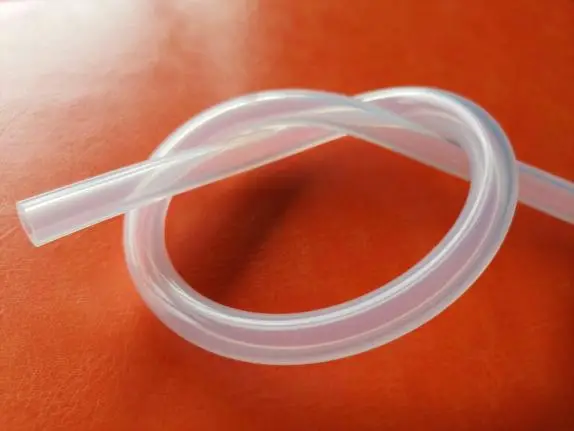
- Noredathicone食品级beplay注册具有无毒、生理惰性、耐紫外线、耐臭氧、耐高低温、透明度高、回弹力强,耐压缩永久变形等优点,特别适用于各类消费品、食品和饮料等行业管材;可广泛应用于食品生物工程、生物化学、环保、制药、食品、精细化工等多种领域的科研和生产。
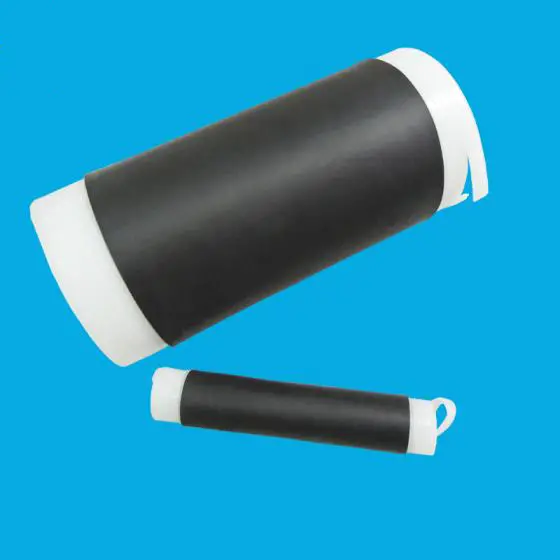
- Beplay体育官方版
- 三元乙丙橡胶(EPDM)Beplay体育官方版是一种预先扩张在可抽支撑管上的橡胶绝缘套管,在使用时只需定位后抽去支撑管即可,利用其径向压力形成包覆,起到防水、防潮密封作用。具有优异的耐天候、耐酸碱性能,达到同呼吸密封的效果,是通讯电缆、同轴电缆、中低压电力电缆的理想密封产品。
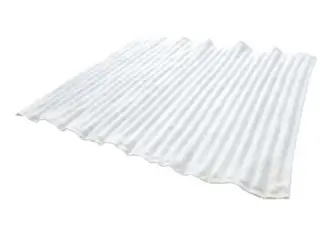
- NP8FR-1 电缆耐火包覆片
- 耐火包覆片是一种在高温状态下可以陶瓷化的新型复合产品,常温下为柔性状态,具有陶瓷化硅橡胶的绝缘、耐火、隔热的特性,在火灾状况下可“陶瓷化”的坚硬壳体可以起到很好的耐火、防火、隔温作用,同时半导热层在火灾状态下起到吸收热量以及带走热量的作用,有效保护线路的畅通。主要用于防火耐火电线电缆,化工、建材、冶炼高炉周边需要防火耐火的场所、电缆以及电缆附件,以及电缆沟道防火工程。
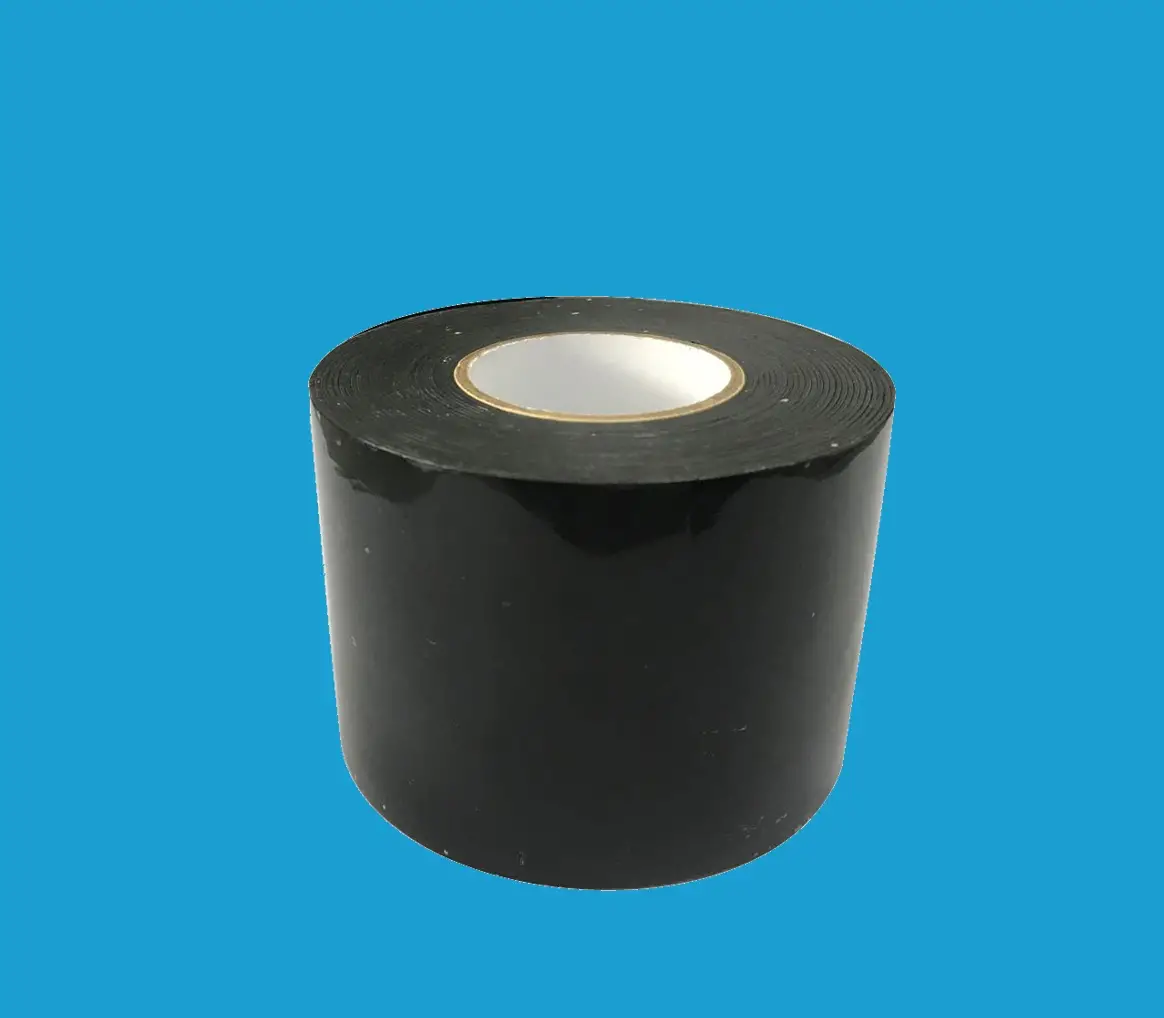
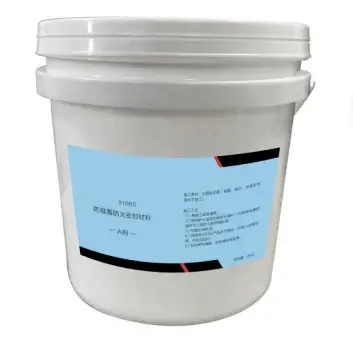
- NP81BBS发泡型防凝露防火防水密封材料
- 抗电弧防火胶带是一款具有双向防火、隔热、抗电弧特性的特种胶带,阻燃氧指数远高于国际同类产品,品质卓越,行业领先,被广泛应用于电力、通信、消防等领域,既可用于整条电缆的保护,也可用于接头等薄弱部位重点防护,将火患控制在局部,可极大地减少损失,是传统防火封堵概念所不能比拟的。
新闻资讯
news information
感谢您访问我们的网站,在这里您可以了解更多行业动态
-

beplay体育手机网页版产品服务
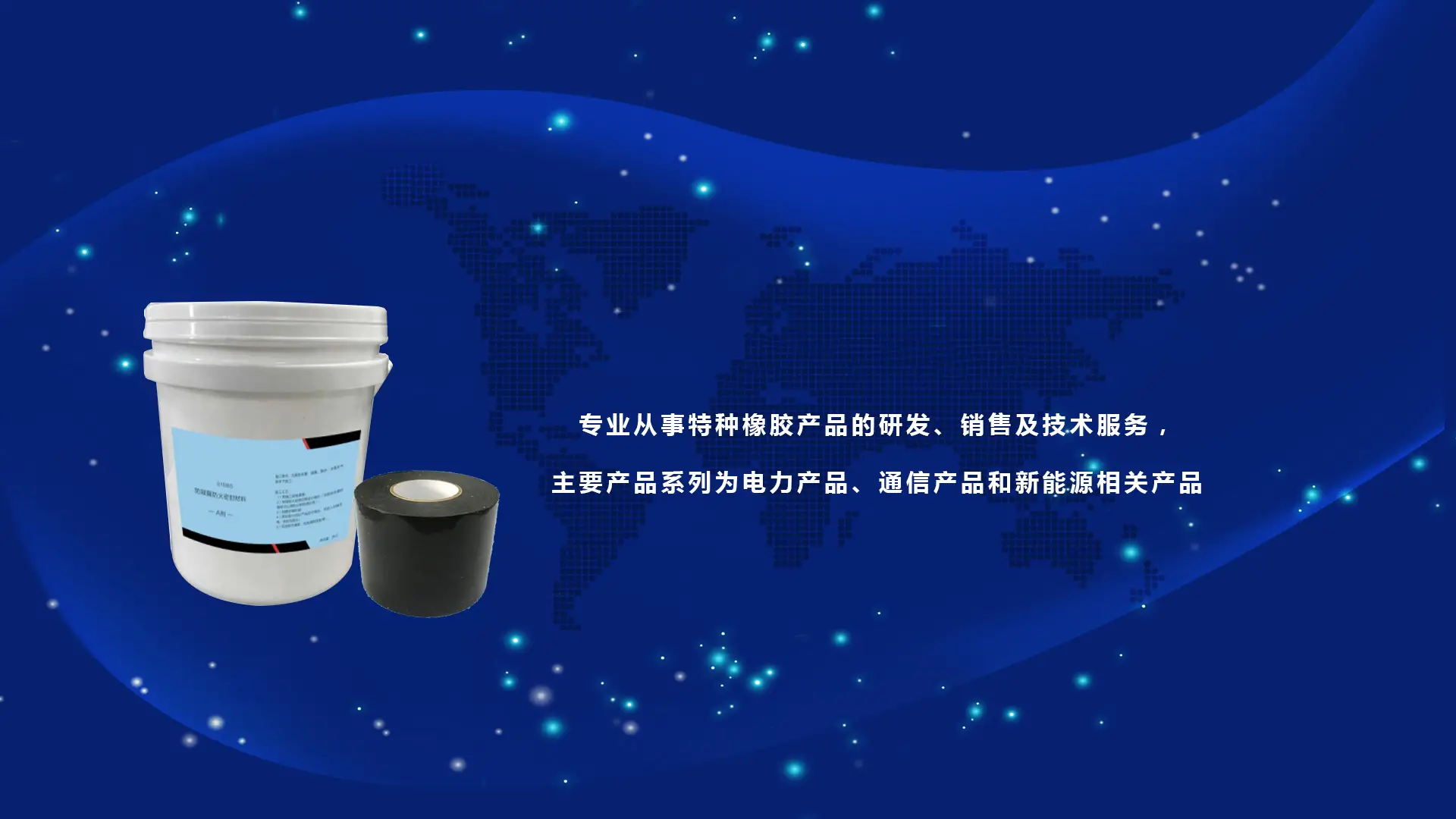
beplay体育手机网页版产品服务地处江苏省常州 市新北区,为宁、沪、杭三角地带之中枢。专业从事特种橡胶产品的研发、销售 及技术服务,主要产品系列为Beplay体育官方版、beplay注册和新能源相关产品
-
17
2021-08
RUBLS-SILIC 高倍率硅橡胶Beplay体育官方版有哪些特点
高倍率硅橡胶Beplay体育官方版采用特制硅橡胶原料制成, 具有收缩倍率大,物理机械性能优异,耐刺扎等优点。 适用于通讯、有线电视连接接头的防水防潮密封,电 线电缆连接的绝缘密封以及其它类型连接件的绝缘保护等。 -
17
2021-08
beplay体育手机网页版产品服务
beplay体育手机网页版产品服务地处江苏省常州 市新北区,为宁、沪、杭三角地带之中枢。专业从事特种橡胶产品的研发、销售 及技术服务,主要产品系列为Beplay体育官方版、beplay注册和新能源相关产品 -
17
2021-08
产品及应用-Main products and application
beplay注册主要以通信设备及设施的绝缘、密封、防水、防护相关的产品;新 能源产品主要以新能源动力电池产品的防火、防护、密封、缓冲、导热相关的产 品。 公司秉承的经营理念“高质量、优服务、共发展”。我们将以客户需求为导 向,以产品质量为生命,以科技创新为推力,不断推出新产品和服务,和客户共 同发展
服务体系
Service system

- 售前支持
- 销售人员与产品工程师为客户及咨询用户讲解产品及产品应用知识,针对不同客户及不同行业需求,提供可靠的解决方案。

- 售后服务
- 产品交付后,售后服务人员会对客户提供相关的产品售后跟踪服务;根据客户现实使用过程中出现的问题进行协助处理,并对客户针对性的产品应用知识进行专业培训。

- 回访服务
- 建立用户档案,服务人员会定期到客户工厂寻访或电话回访,了解设备使用状况。
联系我们
Contact us

添加微信

手机浏览
beplay体育手机网页版
ChangZhou Nuopoo Advanced Material Co.,Ltd
服务热线:13310164180
微 信:13310164180
网 址:cznuopoo.com
邮 箱:888@cznuopoo.com
地 址:常州市钟楼区龙城大道2239号
Copyright©2021 beplay体育手机网页版 版权所有 隐私声明 备案号:苏ICP备2021047188号